
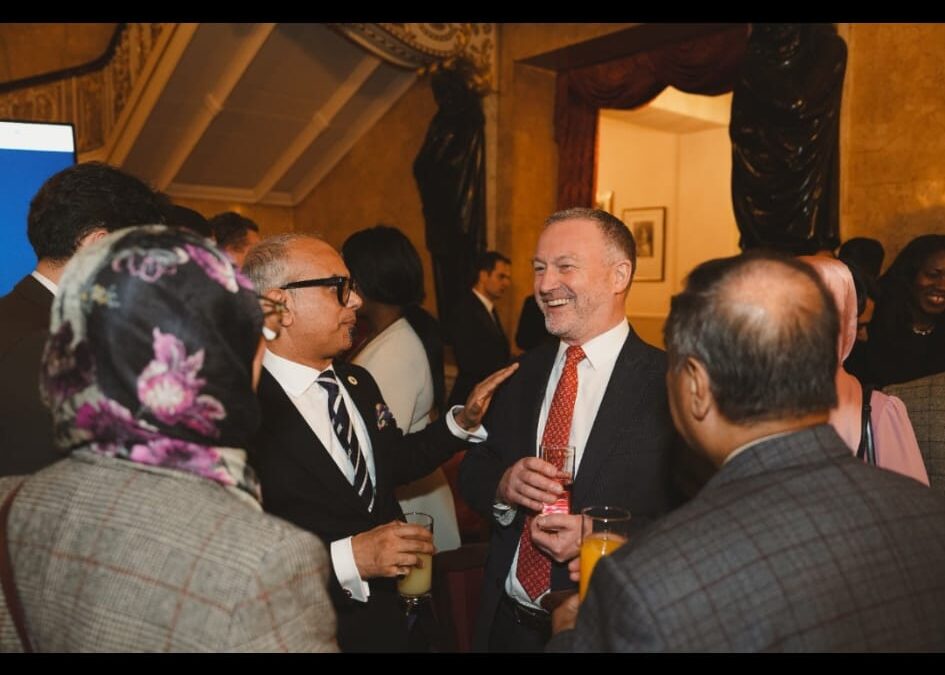
A Labour Secretary of State has approved a scheme with six social homes, in a borough where more than 20,000 households are waiting. Ten days earlier her Prime Minister called for a council house building revolution.
Triangulation of a Housing Crisis: Just Six Homes on Brick Lane
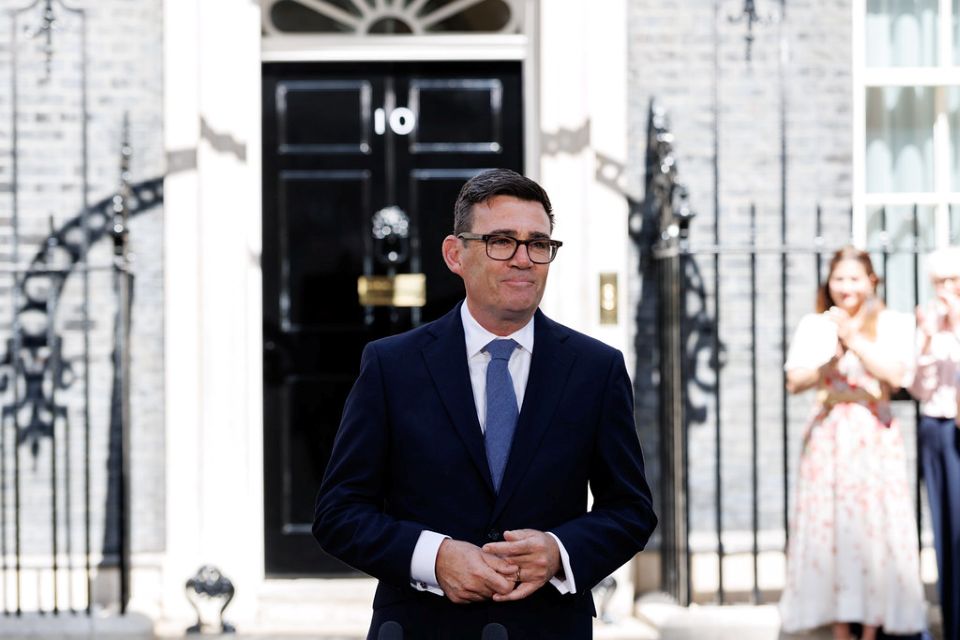
On 20 July, Andy Burnham used his first speech as Prime Minister to call for a new generation of council houses. The shortage drives a crisis felt hardest in London, the city with the worst child poverty in the country.
Nine days later, Brick Lane found out what that was worth.
On Wednesday 29 July the Secretary of State approved planning permission for the old Truman Brewery site. The scheme adds six social homes. At the inquiry the Save Brick Lane Coalition showed the site could take nearly 300 social homes. More than 20,000 households are on the Tower Hamlets waiting list.
Adding insult to injury, there is the bonus of a controversial AI centre at a time when blanket bans are being imposed on them in certain parts of the United States due to several serious concerns.
The decision also came early. Everyone involved had been told to expect it on 17 August. The department has not said why it moved. Campaigners who had prepared for mid-August got no warning.
Meetings in March: Cometh the Hour, Cometh the Bag Men?
If the Prime Minister says one thing and his department does another, it is fair to ask what happened in between.
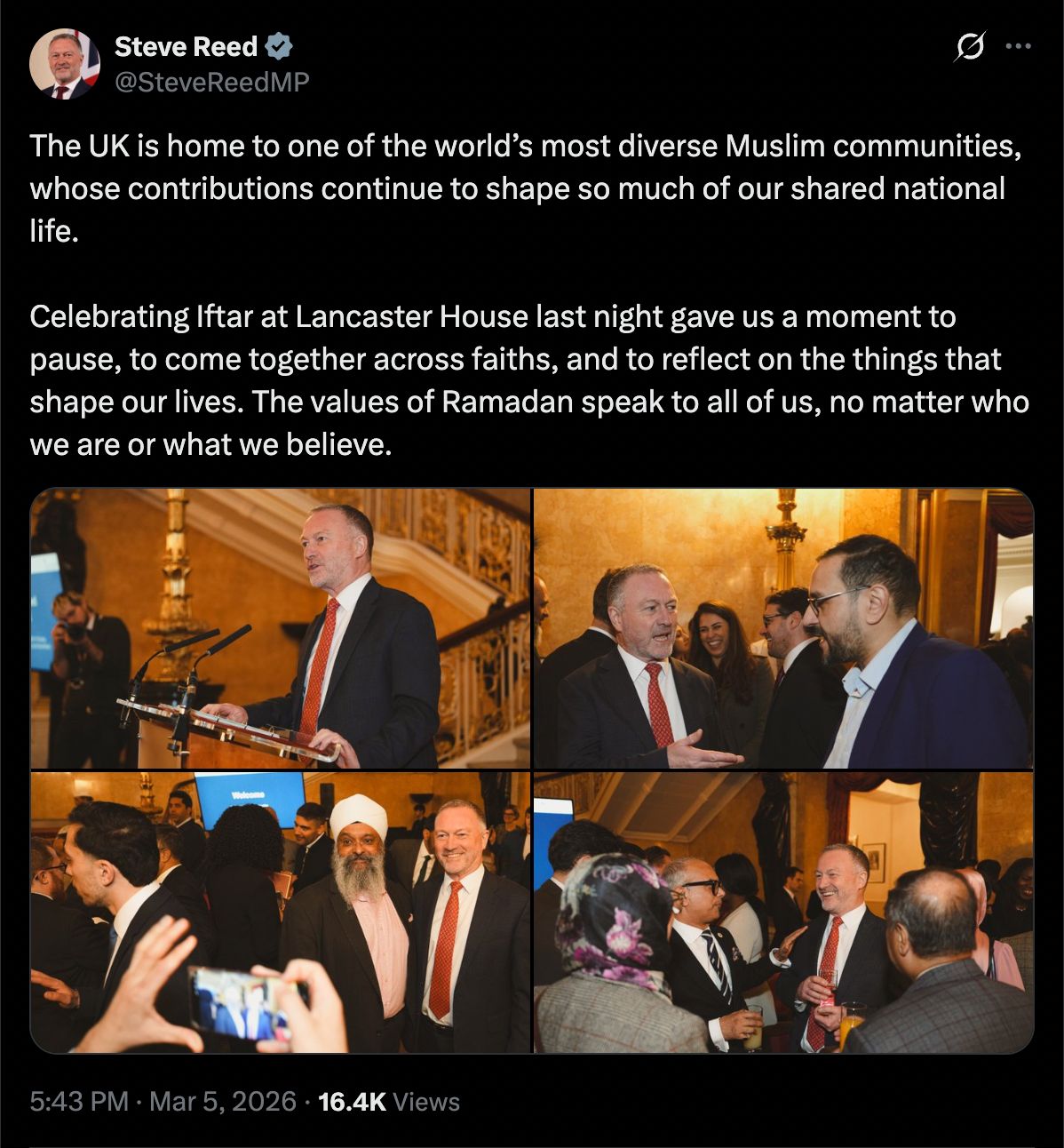
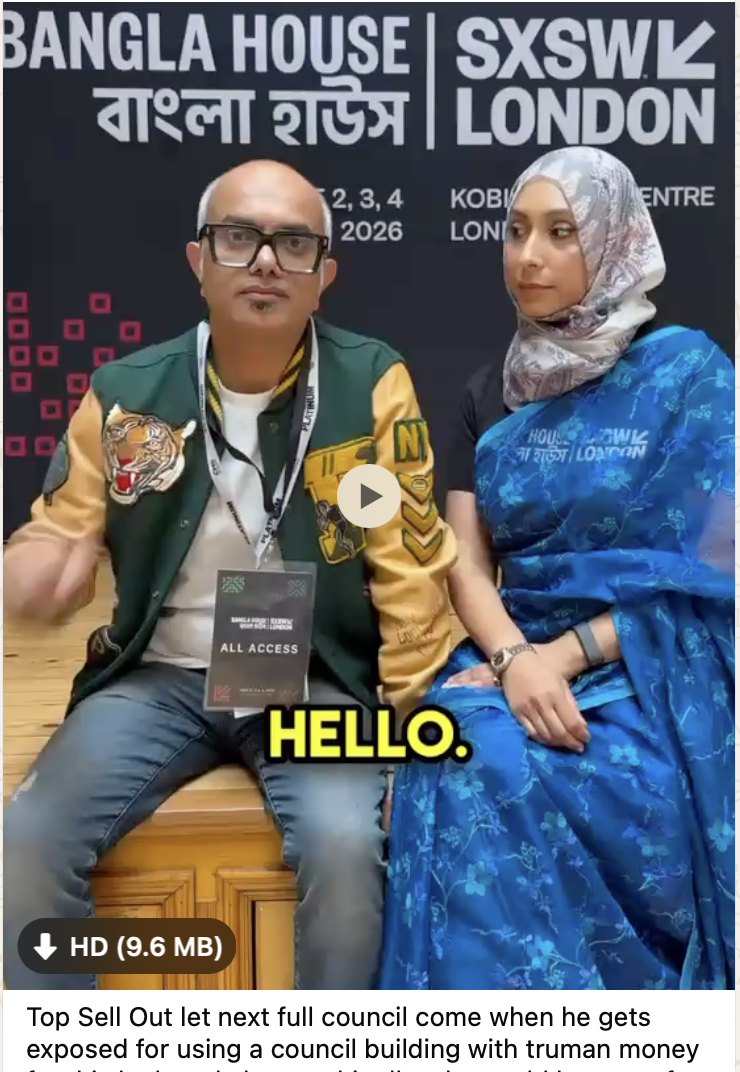
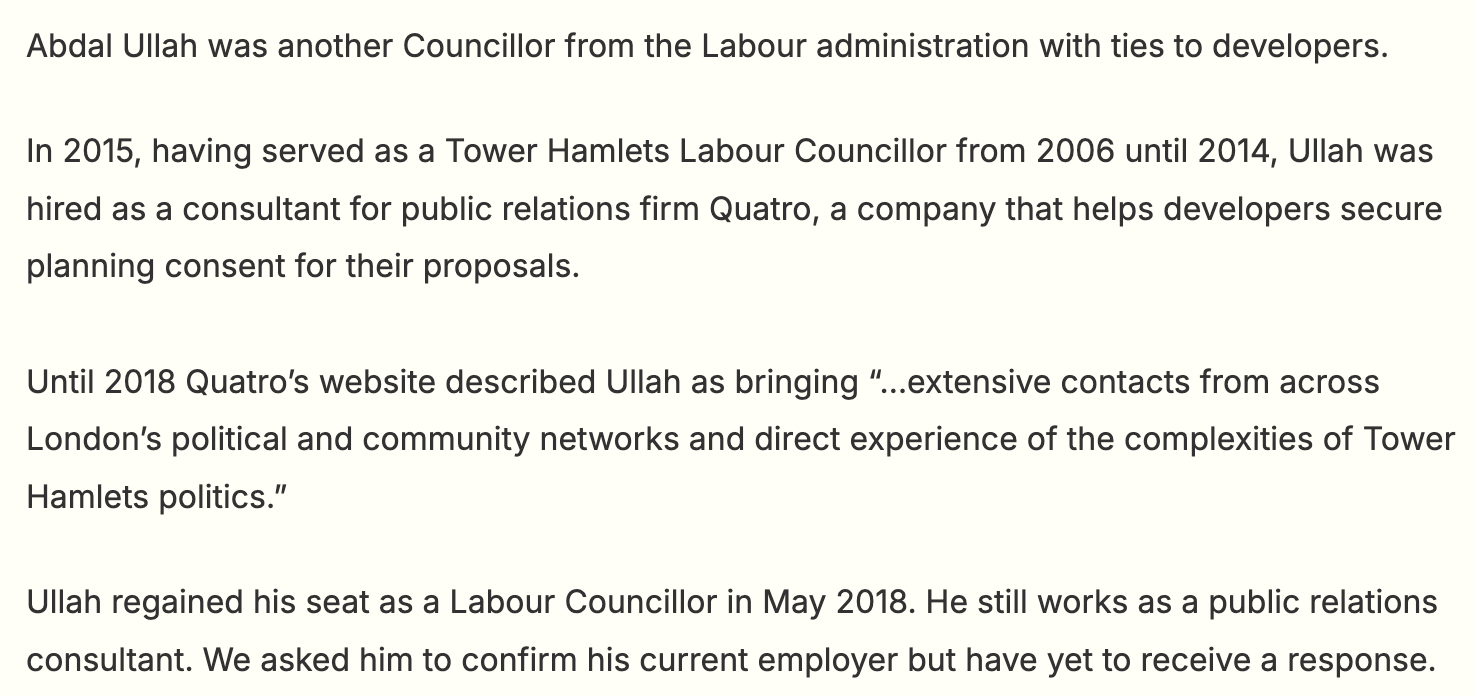
On 5 March 2026 the then Secretary of State, Steve Reed, met Abdal Ullah. Ullah is a known planning consultant. He was then a Labour councillor for Wapping, and since the 2026 elections he has led the Labour group on Tower Hamlets Council.
Locally it is well known that Ullah worked as a consultant on the Truman Brewery application, and that he visited the Brick Lane mosque to support it. That alone proves nothing. But it leaves three questions the department has not answered:
- Did the two men discuss the application?
- If they did, did Reed tell his Private Office, as the Ministerial Code requires?
- Is there a note of the meeting, and will the department publish it?
These are not rhetorical questions. Each has a plain factual answer, and the department holds it. Ullah could settle the matter in an afternoon by publishing his full, unredacted phone and messages from before the moment the application was called in by Steve Reed in November 2025 to the decision date. The offer stands.
Nobody has accused Reed of breaking the law, and no court has found bias, yet. The point is narrower, and harder to shrug off. A decision this far from stated government policy needs an open, documented process behind it. The public cannot see one.
Why the money matters: It’s the Donors Not the Economy Stupid!
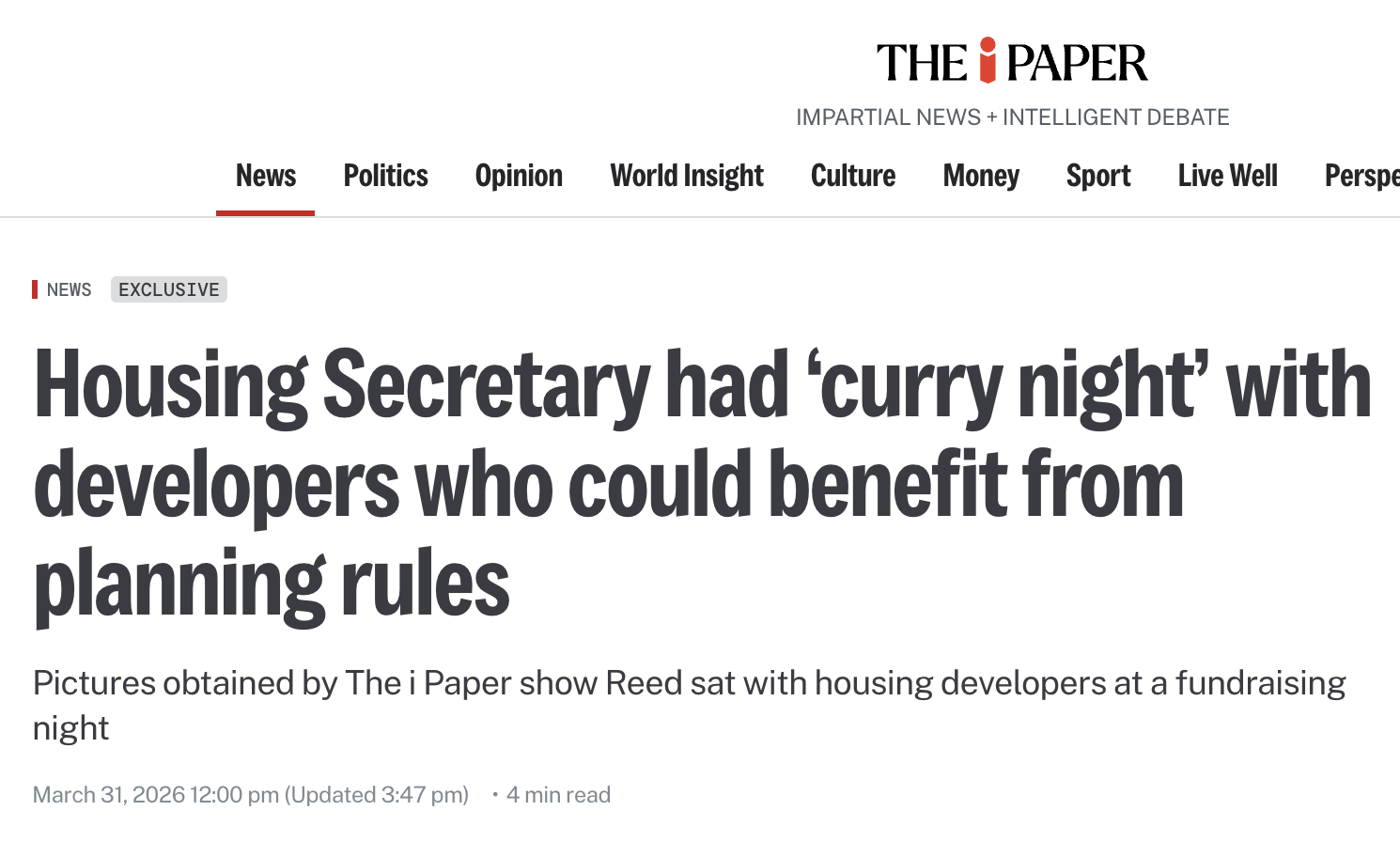
Reed draws these questions because of his record on money, and because of the job his party had given him at the time: raise £1 million to fight the London local elections.
Start with what is proved. Reed co-founded Labour Together and sat as a director throughout the relevant period. The organisation failed to report donations of about £739,000, including £175,500 from the businessman Sir Trevor Chinn. The Electoral Commission investigated and fined it just over £14,000. Set against the sums involved, that is not a deterrent. It is a rounding error.
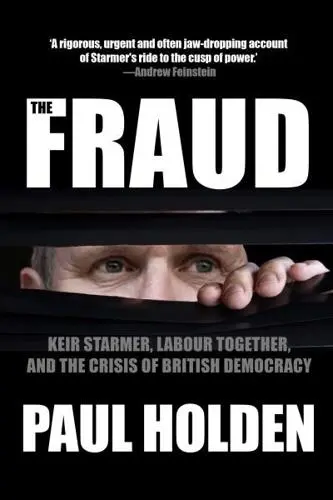
The rest comes from the journalist Paul Holden, in his book The Fraud. These are his allegations, not findings of fact. Holden casts Reed as one of the two men who built a covert factional operation inside Labour Together, with Morgan McSweeney, to take control of the party, the undeclared money moving while McSweeney secretly ran Keir Starmer’s leadership campaign. He says Reed built the donor relationships that paid for it, and privately promised Chinn that Labour would oppose the BDS movement. He says the hidden unds helped start the Center for Countering Digital Hate, which ran an undeclared campaign against news outlets. Josh Simons later resigned as a minister.
When the book led to calls for the Electoral Commission to reopen its inquiry, Reed, by then in the cabinet, brushed them aside. None of this ties him to the Truman Brewery. It shows something else. When people ask him about money and access, he does not answer them. He closes the subject.
Westferry, and what it took to find out: History Repeating Itself? Aparent Bias?
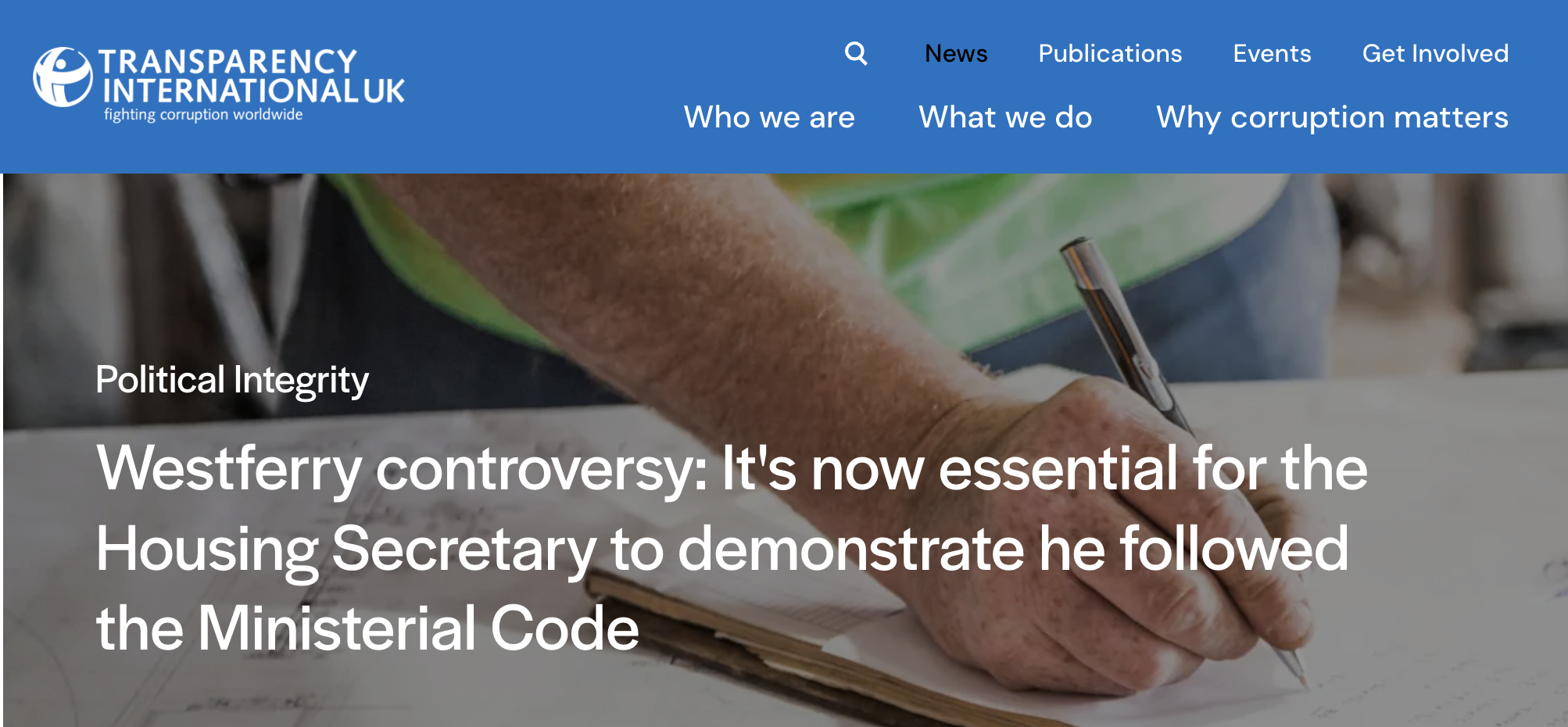
Tower Hamlets has seen this before
On 14 January 2020 the then Housing Secretary, Robert Jenrick, approved Richard Desmond’s £1bn scheme at Westferry Printworks on the Isle of Dogs, about 1,500 homes. He overruled his own planning inspector, the council and the Greater London Authority. He signed one day before the borough’s new Community Infrastructure Levy began, saving the developer an estimated £40m to £45m.
The council went to court in March 2020. Jenrick meant to fight. In May he gave way, signed a consent order admitting apparent bias, meaning the decision looked settled in advance, whatever was in his mind and agreed the permission should be quashed. The High Court quashed it by consent. No judge ever ruled on actual bias, which Jenrick has always denied.
It became a scandal only when the rest came out. Jenrick had sat beside Desmond at a Conservative fundraising dinner two months before he decided, and Desmond gave the party £12,000 soon after. The scheme was looked at again and refused in November 2021 by Eddie Hughes, acting for Michael Gove, for too little affordable housing and harm to the area. A smaller scheme went through in 2024.
Westferry does not prove that ministers take bribes. It proves three duller things. A decision that looks fixed is unlawful even if nobody fixed it. Departments defend such decisions until somebody makes them stop. And the facts came out only because a council paid to drag them out. Nobody volunteered anything.
The East End as dumping ground: Children Playing in the Shadow of AI Data Centres
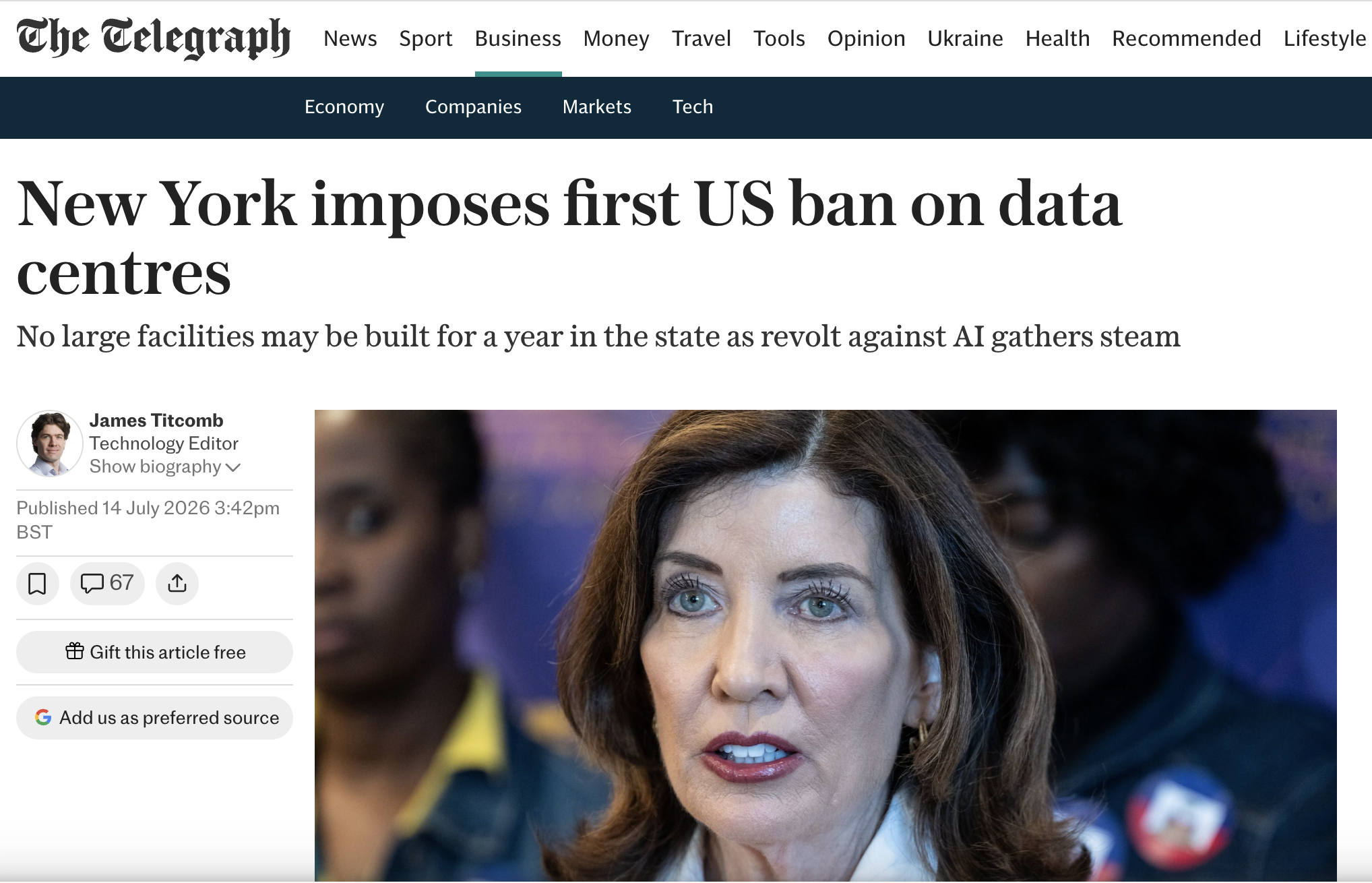
I doubted the warnings about putting a data centre in a crowded residential area. Recent studies, and the bans now in force in parts of the United States, the Governor of New York’s is the latest, have made me think again.
They raise a question the department, under a Labour Prime Minister, has not answered. Why put an AI data centre in a neighbourhood where half the children live in poverty, and not on, say the open ground beside the Saatchi Gallery on the King’s Road in Chelsea?
The East End was built by that kind of choice. The City of London sent its dirty trades downwind to the east: the tanners, and the brickmakers who gave Brick Lane its name. The habit has not died. Find a use nobody wants, whose long-term effects nobody can yet measure, and put it where the residents are thought to have the least fight in them.
The need for it is disputed, too. At the inquiry an employee of a merchant bank gave evidence that the demand, for high frequency trading, does not existin London. With the hub in Austin, Texas, metting such global demand. It seems not to have changed the outcome.
What happens now: Next Steps?
The ministers, consultants and developers named here will not pay for this decision. The 20,000 households on the Tower Hamlets list will. Six of them may get a home on a site that could have held over 300.
The East End has never taken this quietly. The campiagn to stop the development will continue. Talking to residents and campaigners this week, the anger is sharp and organised, and plans are already being laid. A possible public meeting is being discussed to communicate next steps. Their message to the new Prime Minister and his Secretary of State is blunter than anything written here: you cannot triangulate your way out of a housing crisis.
“Rise like Lions after slumber
In unvanquishable number—
Shake your chains to earth like dew
Which in sleep had fallen on you—
Ye are many—they are few.”Percy Bysshe Shelley 1792 –1822
Recent Comments