

Deep dive into numbers which suggest voting for Labour in Tower Hamlets in May 2026 is a wasted vote.
Election season in Tower Hamlets
It’s that familiar time again in Tower Hamlets: every council seat, along with the Executive Mayor, is up for election. Nominations have closed, candidate lists are published, and the usual flurry of predictions has begun. A Bangla-language journalist recently asked me for mine, always a risky invitation in a borough where politics has a habit of defying polite expectations.
Counting (still) matters
There’s an old maxim in politics: if you can’t count, you shouldn’t predict. So let’s start there.
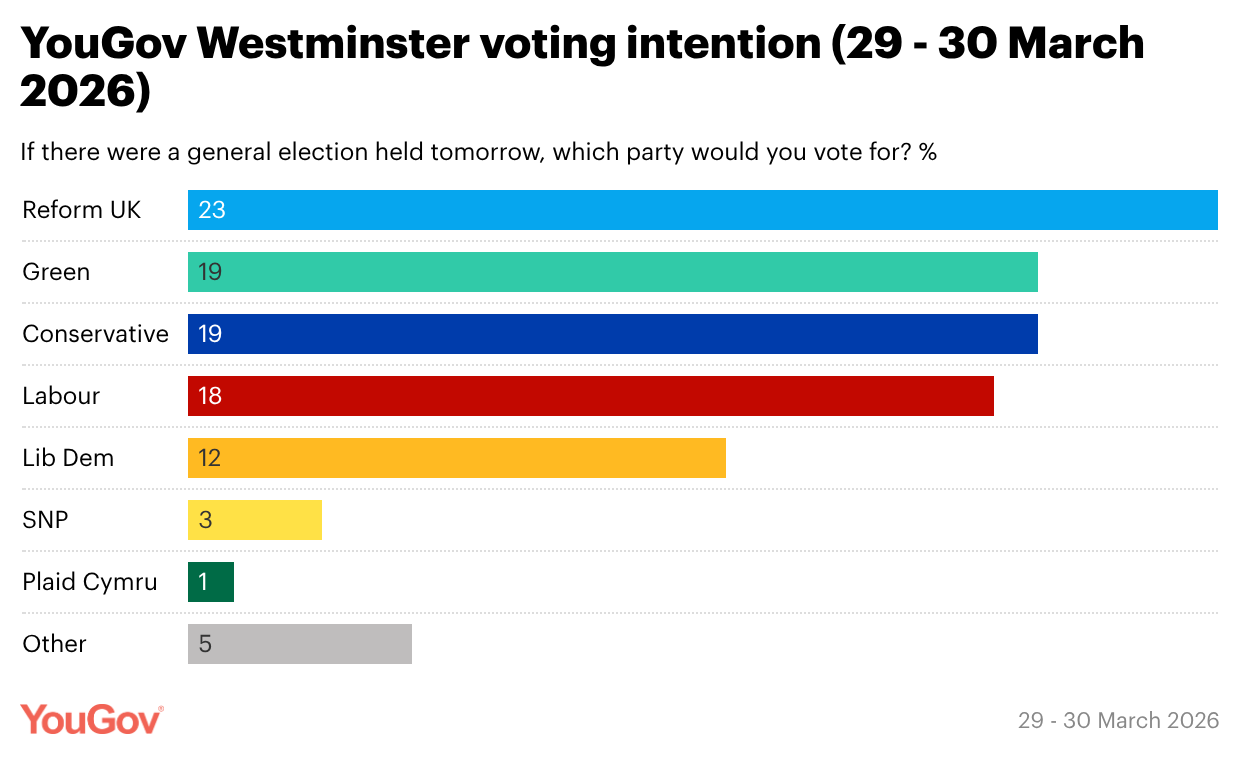
In 2022, the Labour Party was polling nationally at around 40%. Even then, it failed to secure control locally, losing the council to the Aspire Party and the mayoralty to Lutfur Rahman. Fast forward to 2026, and Labour’s national polling has slipped to below 20%. You don’t need a PhD in political science or even a calculator with fresh batteries to see the difficulty.
Denial is not a campaign strategy

This reality appears to be dawning unevenly within Labour’s local ranks. One long-standing member put it bluntly: their mayoral candidate might struggle to reach five figures. Yet internally, optimism persists, less the quiet confidence of a well-run campaign, more the forced cheer of a team that’s misplaced the scoreboard.
The criticism doesn’t stop there. Concerns about internal party democracy, particularly regarding candidate selection, suggest a culture in which dissent is less “debated” and more “discouraged”. Many capable candidates were blocked due to falling out of favour with Siraj. In such an environment, believing you can win may be less a strategy and more a requirement.
A one-horse race? Not quite
If Labour is fading, does that make this a straightforward contest? Not necessarily.
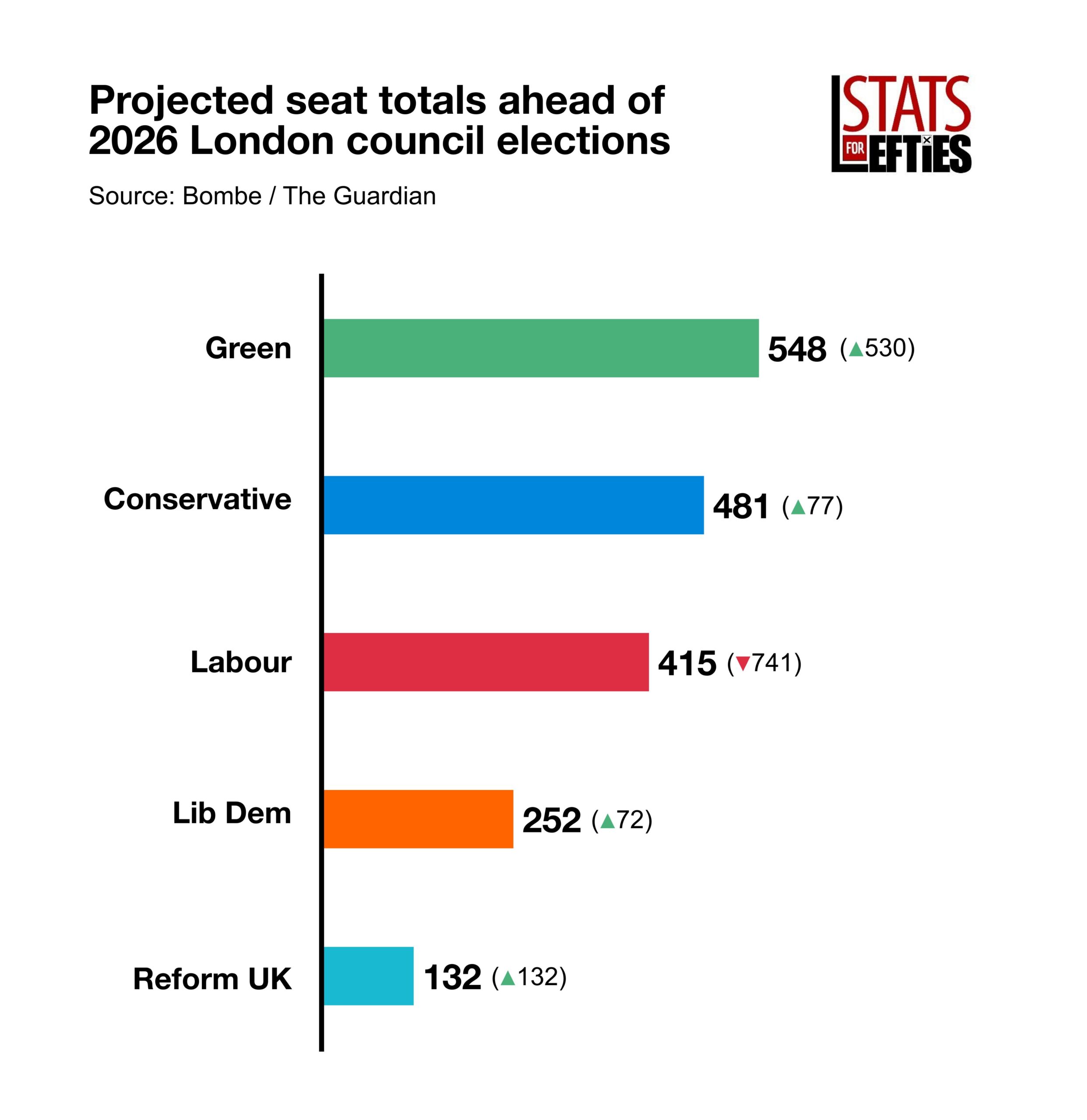
The Green Party of England and Wales has been quietly, and now not so quietly, gaining ground. Polling suggests they’ve overtaken Labour nationally and are making credible advances in London. Boroughs like Hackney and Islington are increasingly discussed as potential gains for the Green Party.
In Tower Hamlets, this could translate into a meaningful presence, particularly in areas like Bow. The once unthinkable Greens as the main opposition to Aspire now sits somewhere between plausible and probable.
From decline to disappearance?
So, where does this leave Labour?
At a minimum, with fewer councillors after 7 May. At maximum, in genuinely uncharted territory: squeezed by both Aspire and the Greens, trailing nationally behind not just one but multiple rivals, and facing the real prospect, however uncomfortable, of political irrelevance in a borough it once considered a stronghold.
The end of the Labour Party in Tower Hamlets? That may be overstating it. But as election day approaches, the more immediate question is whether voters see any practical reason to keep it on life support.

Recent Comments