
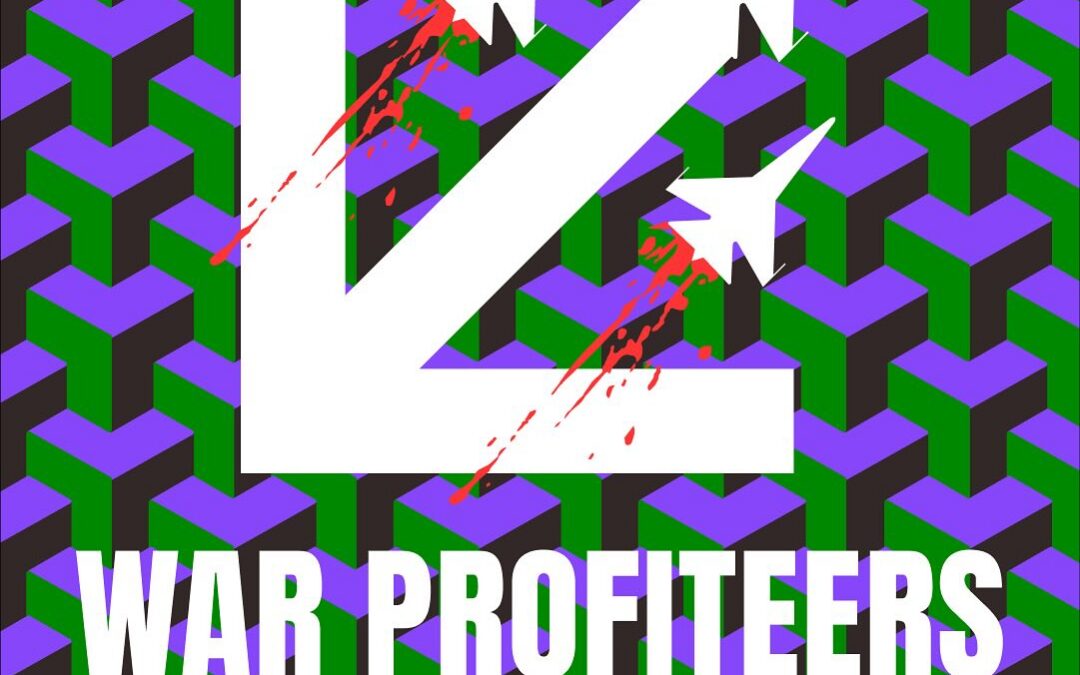
How did an arts centre, named after Kazi Nazrul Islam, end up platforming Gaza War profiteers, values he fought against, while insulting Bangladeshis and their culture?
The Kobi Nazrul Centre Controversy

Serious questions are being raised about the use of the Kobi Nazrul Centre, a Tower Hamlets Council-run venue named in honour of Kazi Nazrul Islam, poet, revolutionary, and the national poet of Bangladesh. At the centre of the controversy is Councillor Abdal Ullah, leader of the Tower Hamlets Labour Group, who allegedly arranged the booking of the venue under a false name and misleading pretence, in apparent breach of multiple council policies.
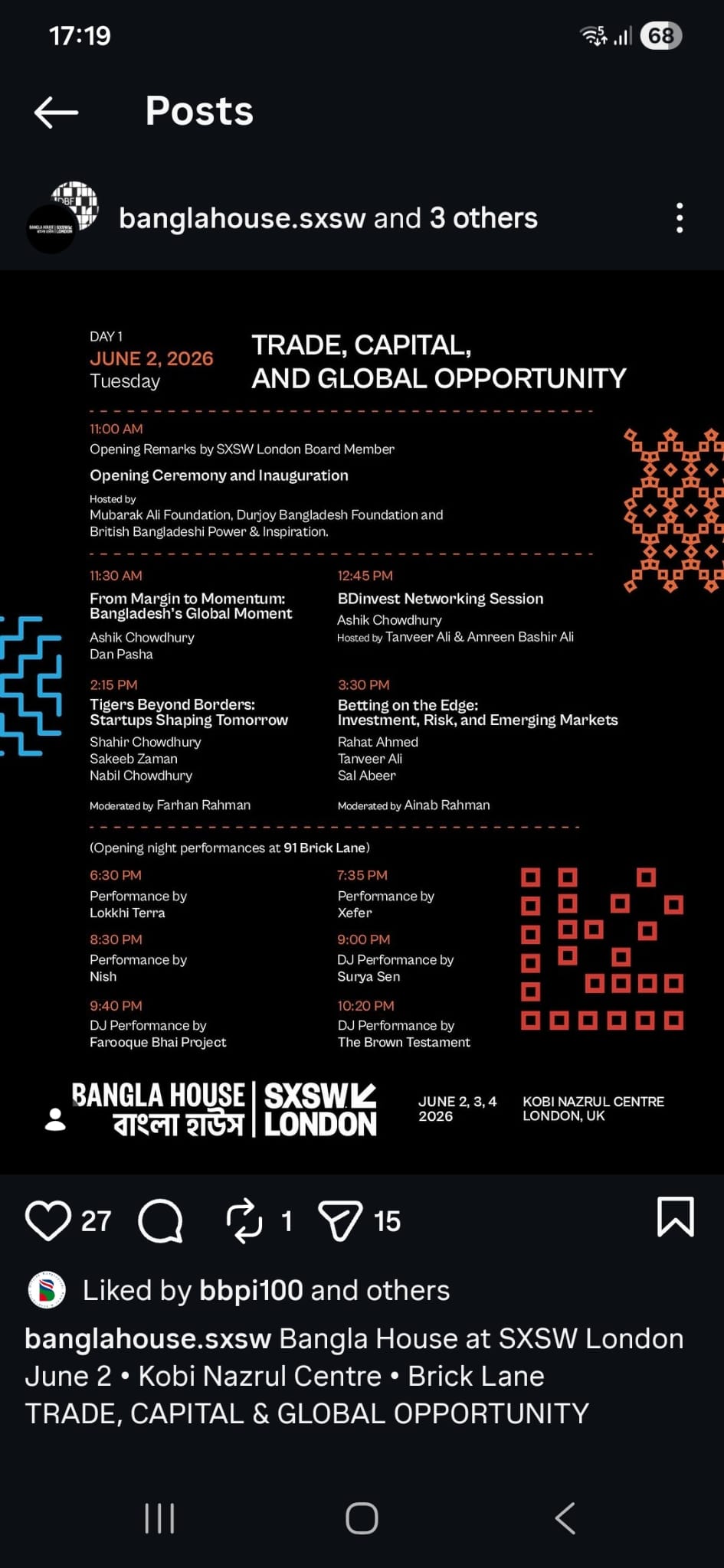
The venue was used to host programming linked to SXSW. This Austin-based cultural festival has attracted sustained criticism over its partnerships with defence and surveillance industries, scrutiny that intensified sharply in the context of Gaza. In 2025, SXSW held events at the Truman Brewery on Brick Lane and faced protests from artists and community campaigners, many of whom withdrew their participation in solidarity. That the same festival is now being associated, however indirectly, with a venue bearing Nazrul’s name has provoked outrage among residents and cultural campaigners.

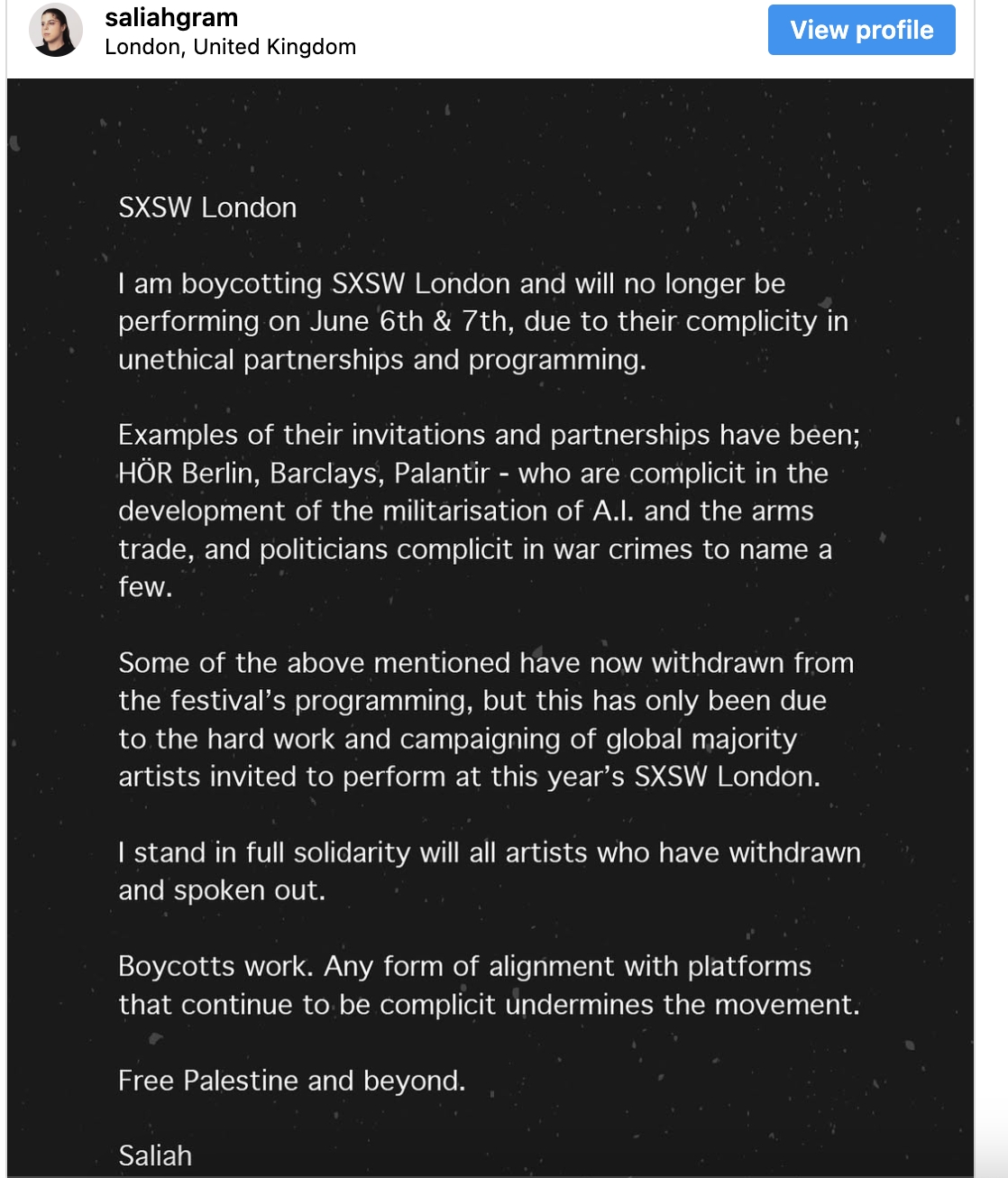
Artists posting on social media explain why they are boycotting SXSW in London. One citing links with companies that have profited from the Gaza war.
The controversy is compounded by the marketing of the Kobi Nazrul Centre as “Bangladesh House” by SXSW, Abdal Ullah, and the Truman Brewery, a rebranding that campaigners argue is not only misleading but deeply offensive. But also an admission that SXSW is a controversial platform. The Truman Brewery development is itself opposed by significant sections of the local community and is currently under consideration by the Secretary of State, Steve Reed. To link Nazrul’s name to such a platform, one resident explained in Sylheti, is tantamount to “digging Nazrul up in his grave, and stripping him naked.”
The allegation that the subterfuge around the booking was deliberate, that Abdal Ullah was well aware of the controversy SXSW generates, makes the matter considerably more serious. This was not, critics argue, a well-intentioned mistake. It was a calculated manoeuvre that treated both the venue’s symbolic weight and the community’s cultural sensitivities as inconveniences to be managed around.
Growing Labour Disconnect with the British Bangladeshi Community
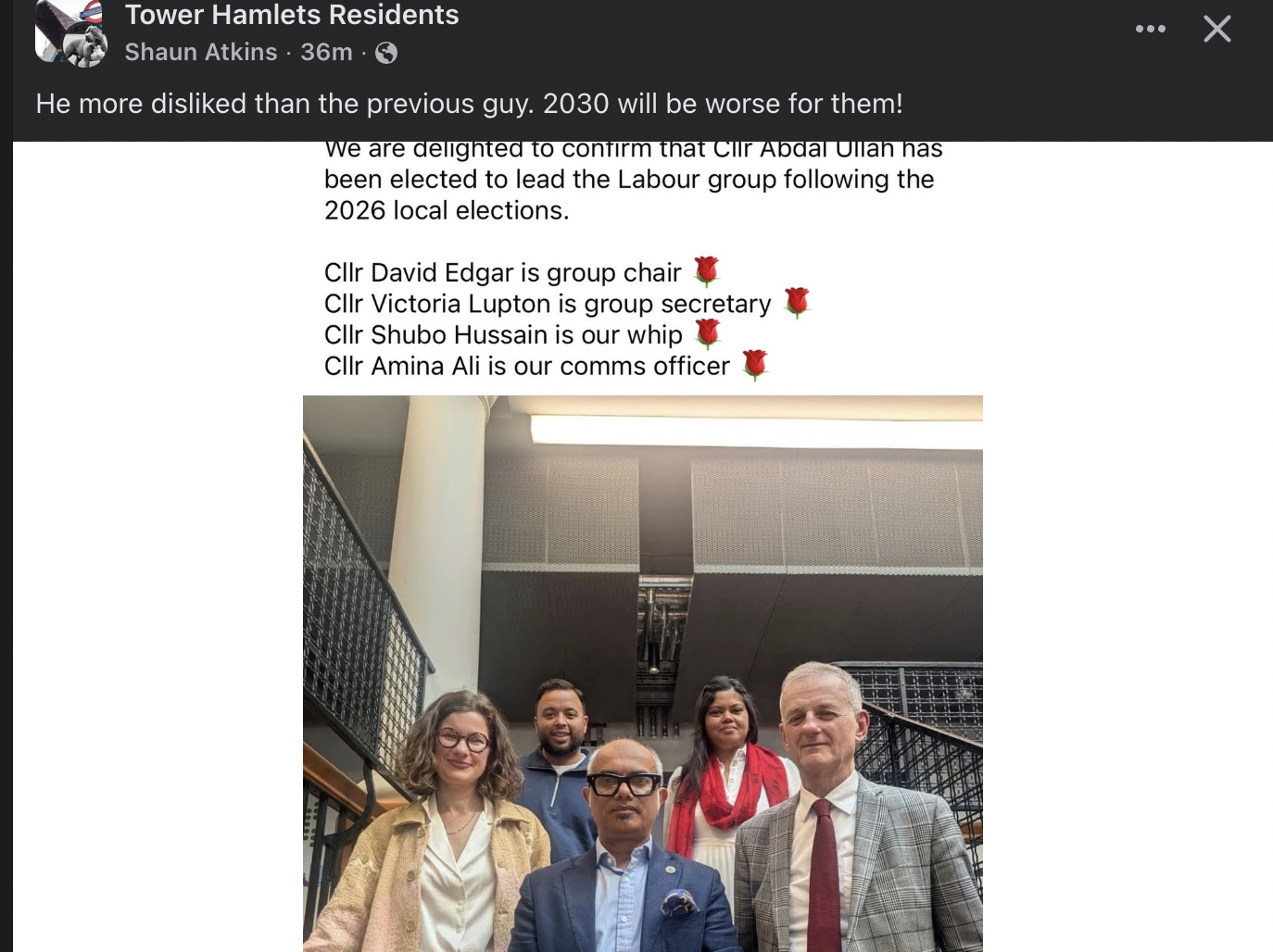
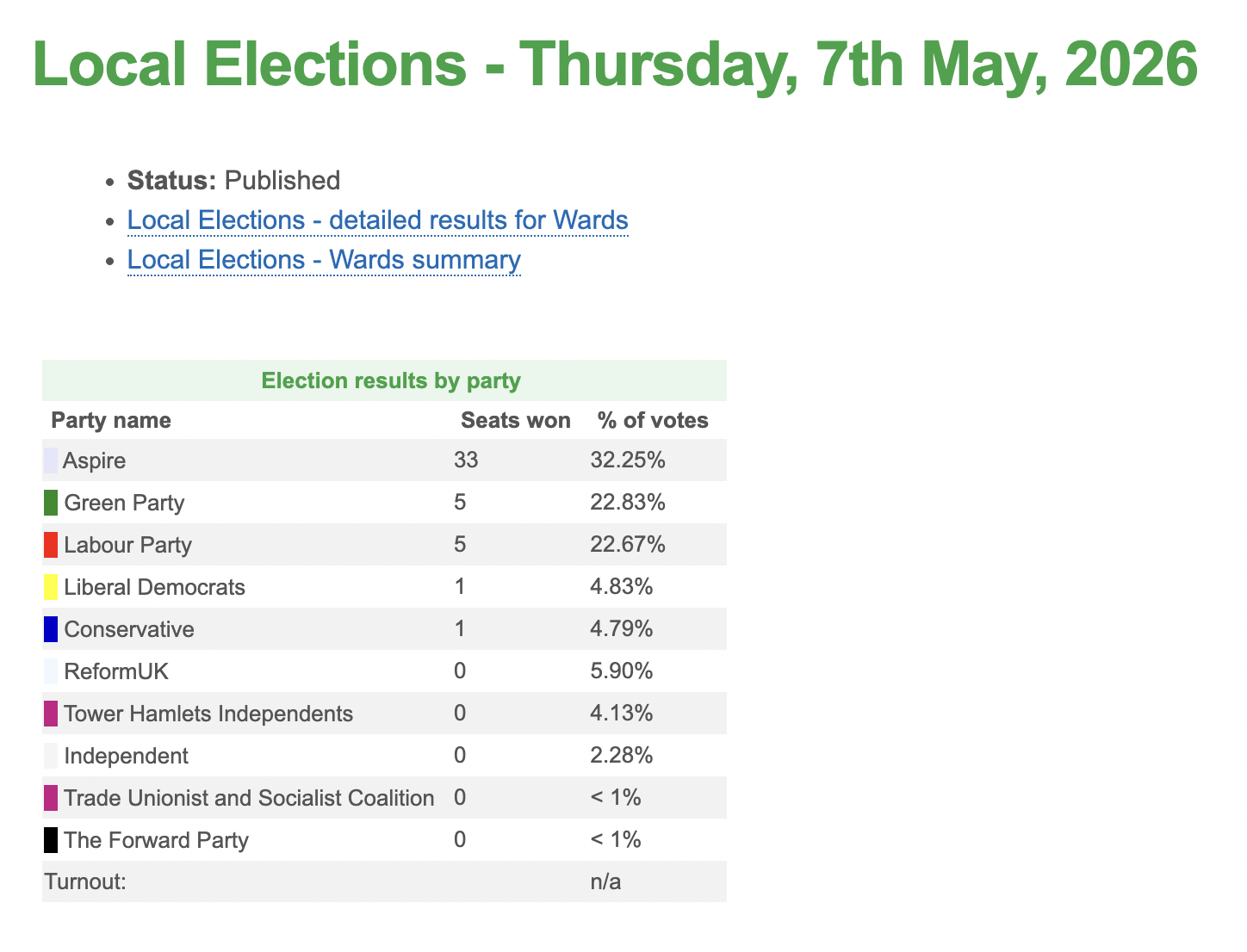
After the Labour Party came third in Tower Hamlets in this year’s election, it seems no lessons have been learned.
Tower Hamlets has one of the largest British Bangladeshi communities in the United Kingdom, a community that has historically been a foundational base of Labour support. The May 2026 local election results laid bare how dramatically that relationship has deteriorated. Labour was reduced to just five councillors, finishing third, a result that represented not merely an electoral setback, but a collapse of trust.
Yet the response from the local Labour leadership appears to have been to learn nothing. The Kobi Nazrul Centre affair is, for many observers, a case study in precisely the kind of conduct that drove voters away: a willingness to exploit cultural symbols for political convenience while showing contempt for the communities those symbols belong to. For younger British Bangladeshis in particular, increasingly politically engaged on issues of Palestine, housing, anti-racism, and corporate accountability, it represents a failure of representation that goes well beyond a single venue booking.
Campaigners have launched a petition to the full council. If it is heard, the debate promises to be acutely embarrassing for Labour. But it could also be embarrassing for the Director of Culture and Leisure at Tower Hamlets Council, Jahur Ali, as the petition calls for an inquiry as to how the ooking took place. The argument it will advance is simple: a party that was historically decimated at the ballot box, and that seeks to rebuild among Bangladeshi voters, has chosen, in its first significant action, to insult their national poet.
Kazi Nazrul Islam: The Rebel Poet
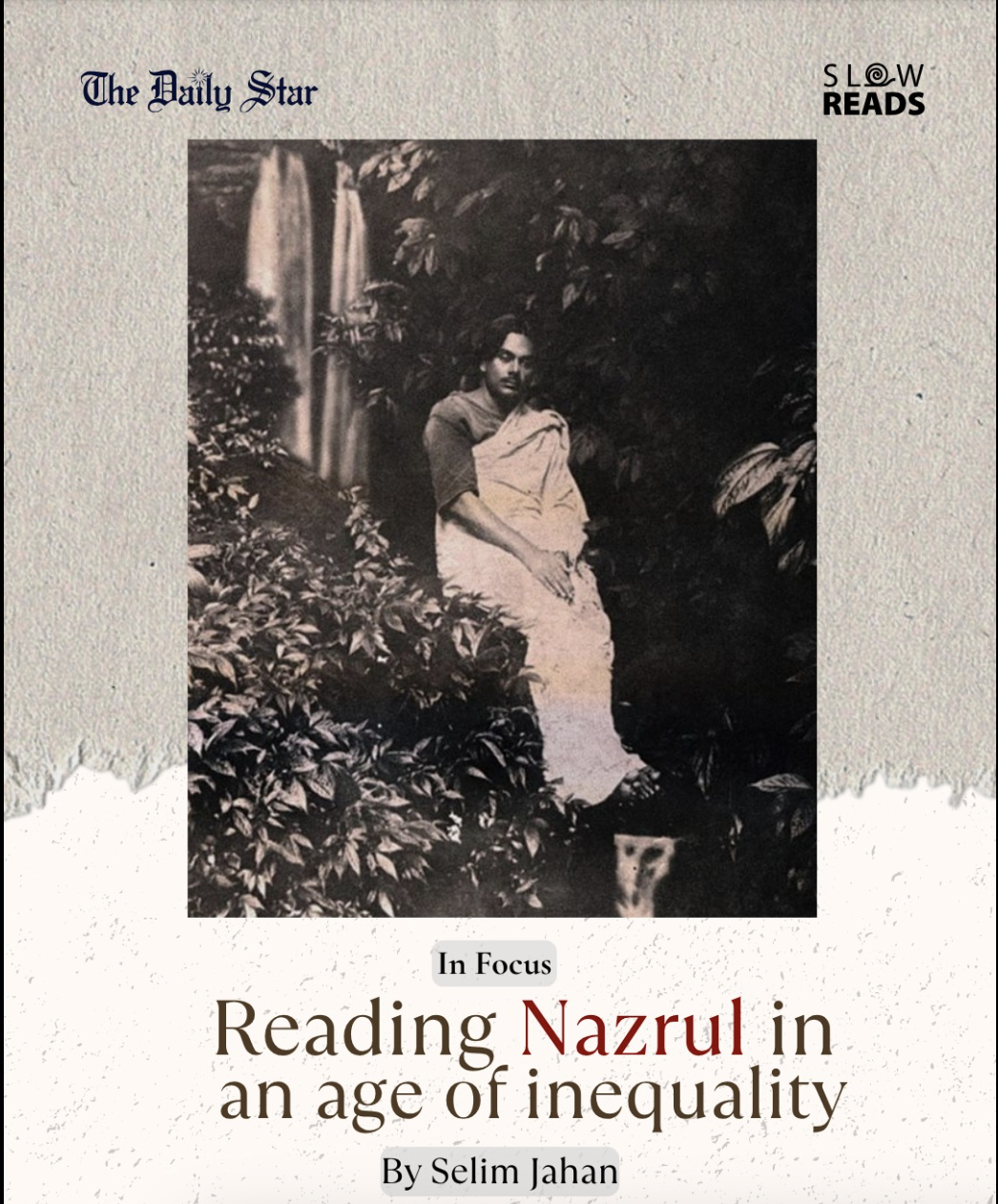
To understand why this matters, it is necessary to understand who Nazrul was and why his legacy carries the weight it does.
Kazi Nazrul Islam (1899–1976) remains one of the great under-recognised figures of twentieth-century world literature. Born into poverty in rural Bengal, he channelled his experience of hardship into a vast body of work, poems, songs, essays, and novels, that burned with anti-colonial fury and an uncompromising commitment to human equality. The British colonial government banned his writings and imprisoned him for sedition, an act that secured his enduring title: Bidrohi Kobi, the Rebel Poet. He composed thousands of songs blending folk, classical, and devotional traditions, and remains a cultural cornerstone of both Bangladesh and the Bengali-speaking regions of India. Tragically, a neurological illness silenced him in his early forties; he spent his final decades unable to write or speak.
To approximate Nazrul for Western readers: imagine the political fury of Pablo Neruda, the musical prolificacy of Bob Dylan, and the anti-colonial fire of Frantz Fanon, compressed into a single Bengali voice writing in the early twentieth century.
The “Rebel Poet” label, while accurate, has always undersold him. Nazrul was equally a poet of equality. Unlike his celebrated contemporary Rabindranath Tagore, whose egalitarianism was philosophical and refined, Nazrul’s came from the gut. He wrote scathingly about the exploitation of workers by capital, argued that civilisation is built upon the labour of the poor while wealth flows inexorably upward, and challenged Hindu-Muslim sectarianism at precisely the moment Bengal was being torn apart by it. In an age of widening inequality and resurgent nationalism, his poetry reads not as a historical artefact but as a live and urgent testimony.
The Poets Versus the Mir Jaffars
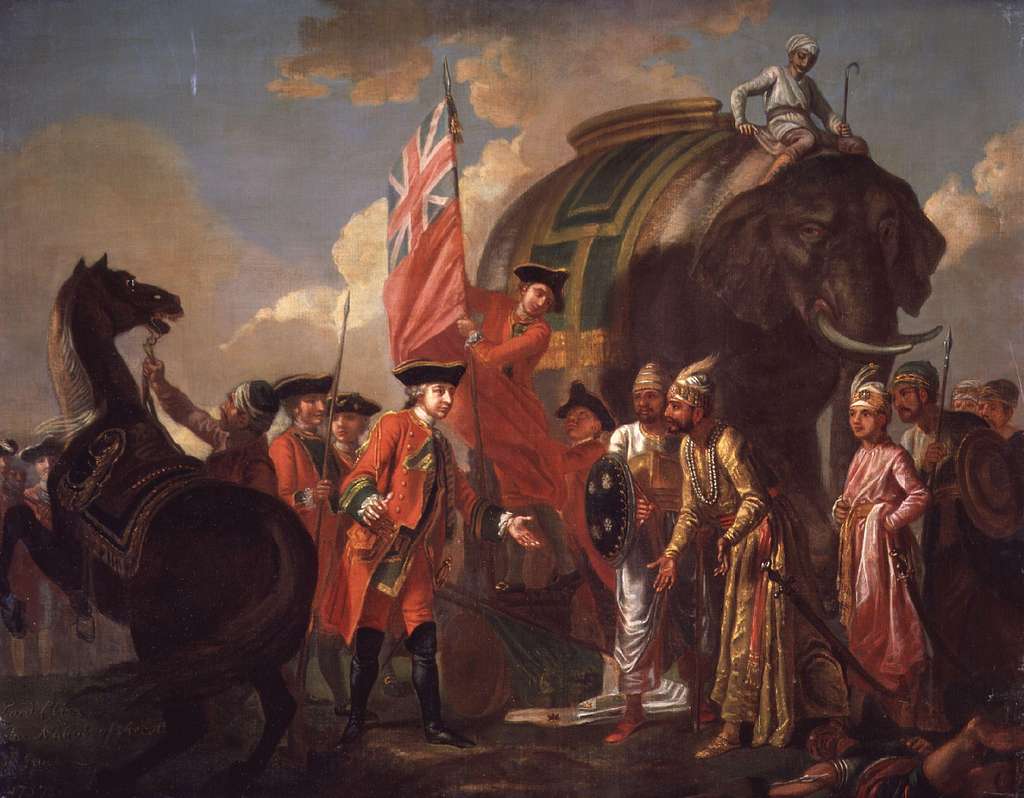
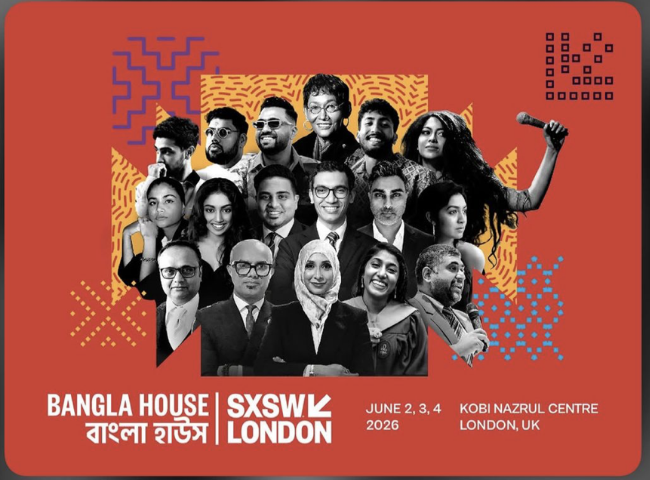
From Plassey to Palantir, from 1757 to 2026. The Drama continues…
There is a way of reading Bengali and Bangladeshi history that identifies, as its recurring tragedy, the role of the collaborator, the internal elite that facilitates outside exploitation for private gain. The archetype is Mir Jaffar, whose betrayal at the Battle of Plassey in 1757 delivered Bengal to British colonial control. Since then, the argument runs, the pattern has repeated itself across generations: a minority section of Bengali society, seeking material advantage, has aligned with outside power against the interests of the majority.
There is a way of reading Bengali and Bangladeshi history that identifies, as its recurring tragedy, the role of the collaborator, the internal elite that facilitates outside exploitation for private gain. The archetype is Mir Jaffar, whose betrayal at the Battle of Plassey in 1757 delivered Bengal to British colonial control. Since then, the argument runs, the pattern has repeated itself across generations: a minority section of Bengali society, seeking material advantage, has aligned with outside power against the interests of the majority.
In this historical reading, it has been the poets, not the politicians (Mir Jaffar) or the merchants (Jagar Seth), who have provided the moral and cultural resistance. From Lalon Shah to Al Mahmud, poets drawn from impoverished backgrounds and speaking the language of ordinary people have given voice to a vision of a different world. It is no accident that Plato, designing his authoritarian republic, advocated for the expulsion of the poets.
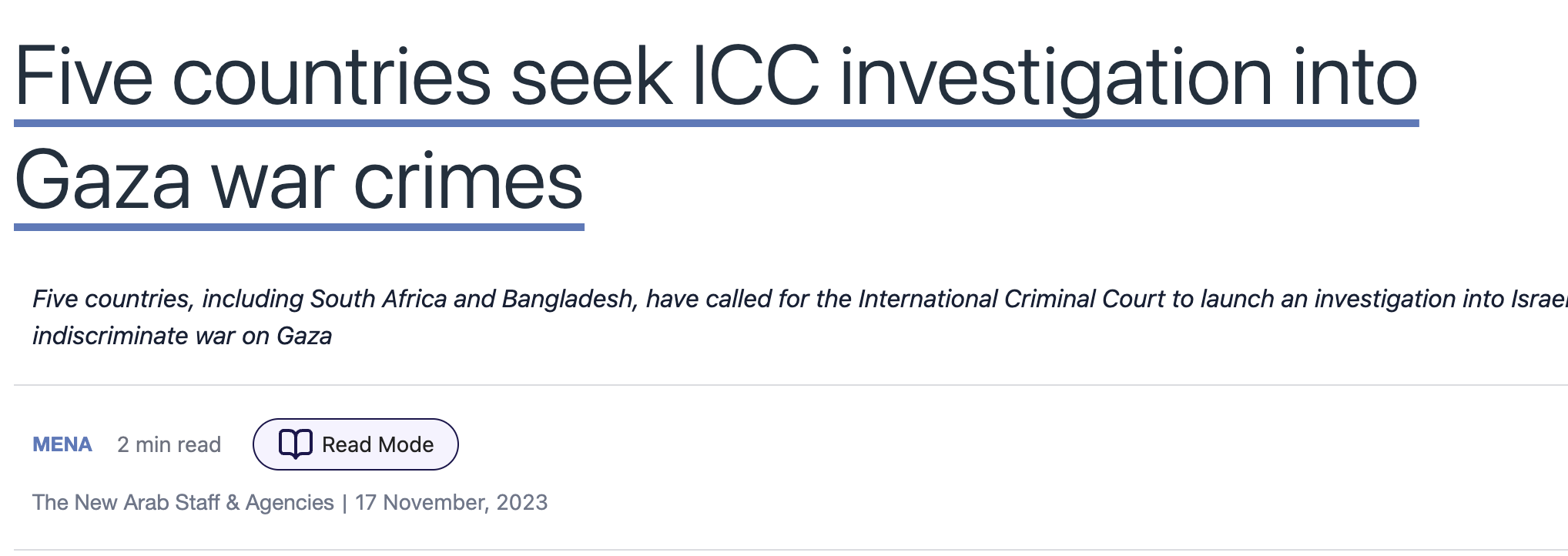
Nazrul stands in this tradition. And that tradition is not merely sentimental; it has a living legacy which Bangladeshis, including the diaspora, take pride in. Bangladesh, then East Pakistan, was the first country in South Asia to undertake significant land reform, through the East Bengal State Acquisition and Tenancy Act of 1950. It currently hosts the largest refugee population in South Asia, sheltering those fleeing genocide in Burma and was among the first nations to join South Africa’s case at the International Court of Justice against Israel over Gaza. It has achieved a higher per capita GDP than India, its much-celebrated neighbour to the west. These are not coincidences. They reflect, at least in part, the values that poets like Nazrul helped embed in national consciousness: that justice and development are not in conflict, but are inseparable.
The irony of a Labour councillor invoking Nazrul’s name, however obliquely, while facilitating links to arms-adjacent corporate platforms is, to put it plainly, not subtle. In the longer narrative of Bengal’s history, it is simply the latest iteration of a very old story. The setting has shifted from Plassey in 1757 to Brick Lane in 2026, with the victims being the people of the East End. However, the drama remains the same. But so does the vision of condemnation and hope of the Poets, such as Kazi Nazrul Islam.
“পরাজিত নই নারী, পরাজিত হয়না কবিরা” – “I ain’t defeated, O Love, poets don’t know how to give in.”
Al Mahmud – Sonali Kabin (The Golden Contract)


Recent Comments