
The possible historic ramifications of the 7th of May elections. A Labour wipeout in Tower Hamlets?
Polling signals a sharp decline for Labour: Numbers not Anecdotes

With fewer than ten days until polling day, the contours of the election are coming into focus. Postal ballots have already landed, and a significant proportion of voters will have made their decisions. At this stage, shifts in sentiment tend to reinforce, rather than reverse, existing trends.
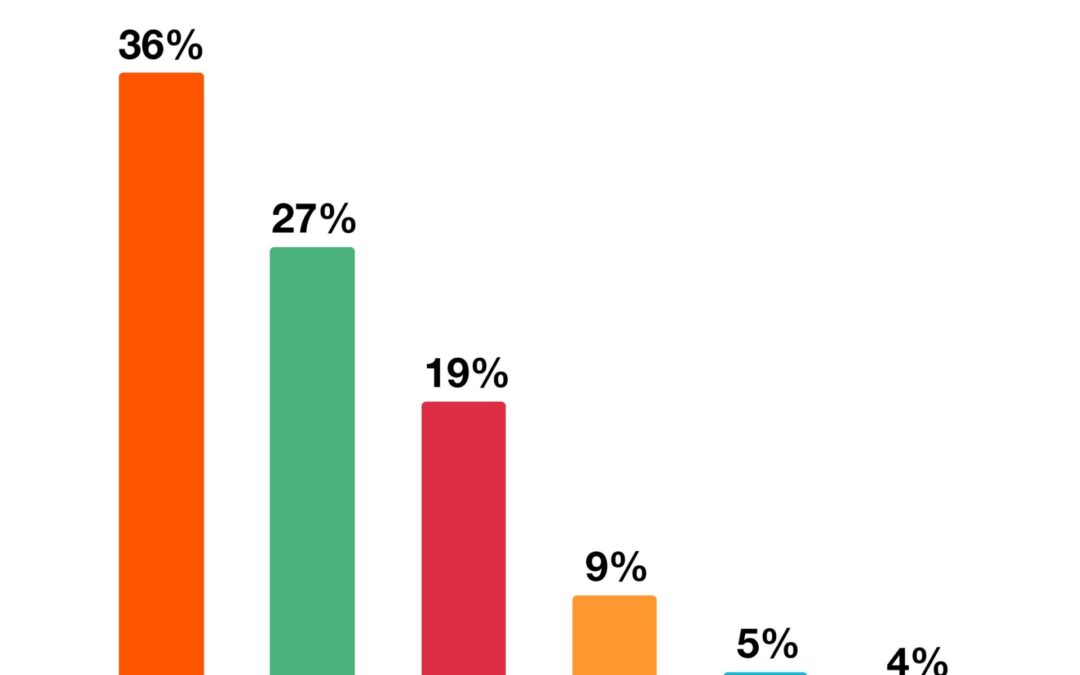
Recent polling by JL Partners, conducted between 31 March and 13 April, places Labour in third position in Tower Hamlets, trailing both Aspire and the Green Party. Developments since the close of fieldwork, including national-level controversies involving senior Labour figures, ‘The Mandelson Affair’, are likely to have compounded the party’s difficulties locally, rather than alleviated them.
The central question is no longer whether Labour can regain control of the council, but whether it can retain a meaningful presence at all.
Bow East as a Bellwether: Will the last Labour Councillor please switch the light off?
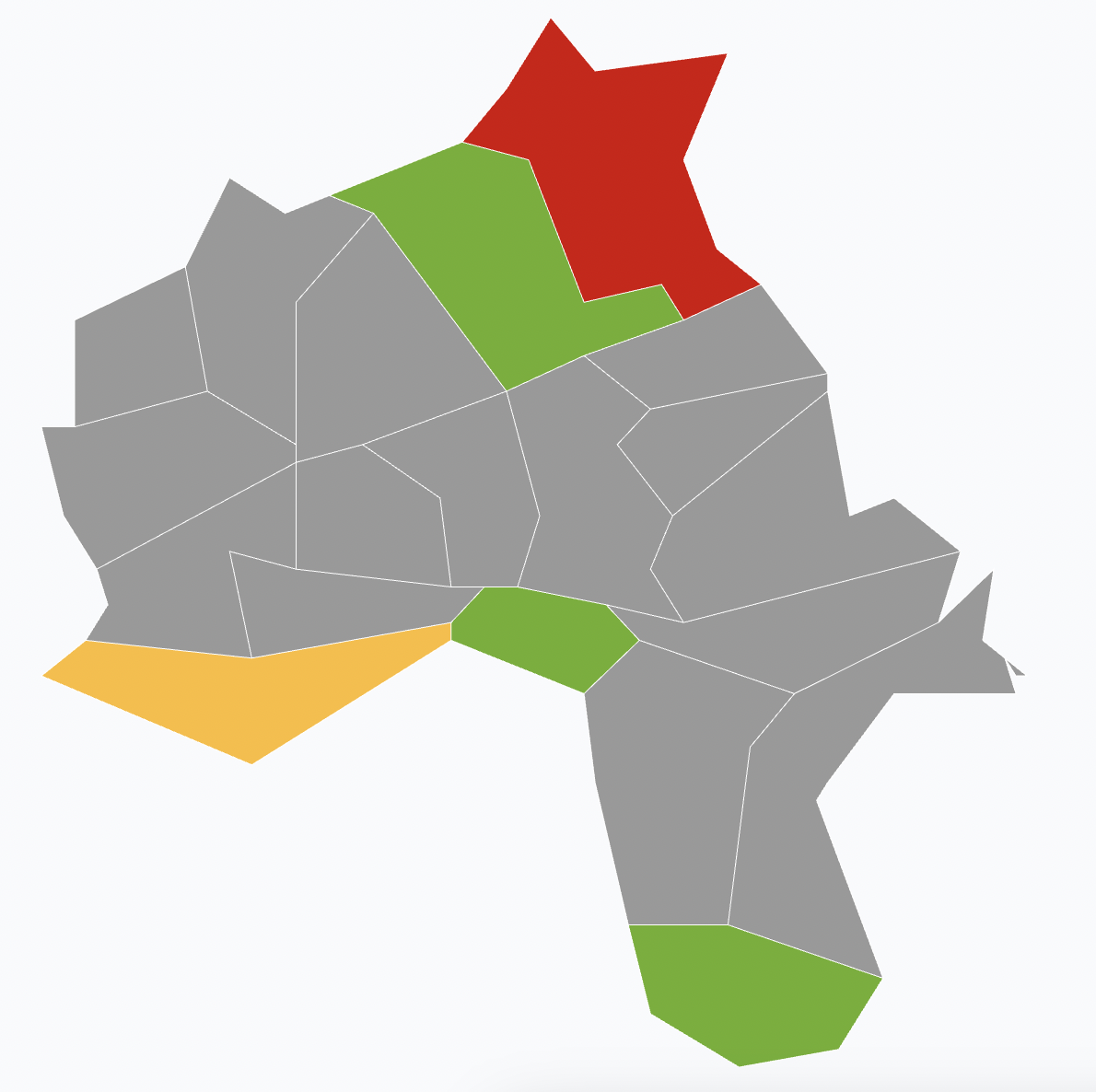
Attention has increasingly turned to Bow East, where on-the-ground reports suggest the Green Party is outperforming expectations. There is credible speculation that the Greens could secure all three seats in the ward. Such an outcome would align with trends in neighbouring Newham, where Green support is also consolidating, potentially forming a contiguous bloc of wards along the borough boundaries with Tower Hamlets and Hackney.
A longer road back for Labour: Forget 2030
Current projections point to the Greens emerging as the principal opposition to the Aspire administration following the 7th of May elections. If realised, this would represent a structural shift in the borough’s political landscape. Under these circumstances, Labour’s path back to competitiveness appears prolonged, with at least two full electoral cycles, potentially eight years, required to rebuild its local base and re-establish itself as a credible challenger.

Puru Bhai you forgot about the great Zami bhai. He is our future of our Barra.